Dosen yang masih ingin jadi “guru”
-

Unveiling the Untapped Potential: Primary Field Data for Robust Regional Planning in Indonesia
This abstract and slides were presented in “The 6th HABITECHNO International Conference November 11th, 2023 @ Bandung, Indonesia”
-

Menyelesaikan S3 dengan milestone
Berikut ini sambungan dari cerita bergambar (cergam) tentang “milestone” tempo hari.Supaya terasa, progress harus dijadikan “barang”.Misal: saat pengumpulan data selesai, maka ada tabel data. Tabel itu belum jadi barang. Jadi belum akan terasa kalau Anda sudah punya progress. Baru jadi barang yang terasa, kalau misalnya Anda bikin cerita kalau pengambilan data sudah selesai.Pasti sulit saat…
-
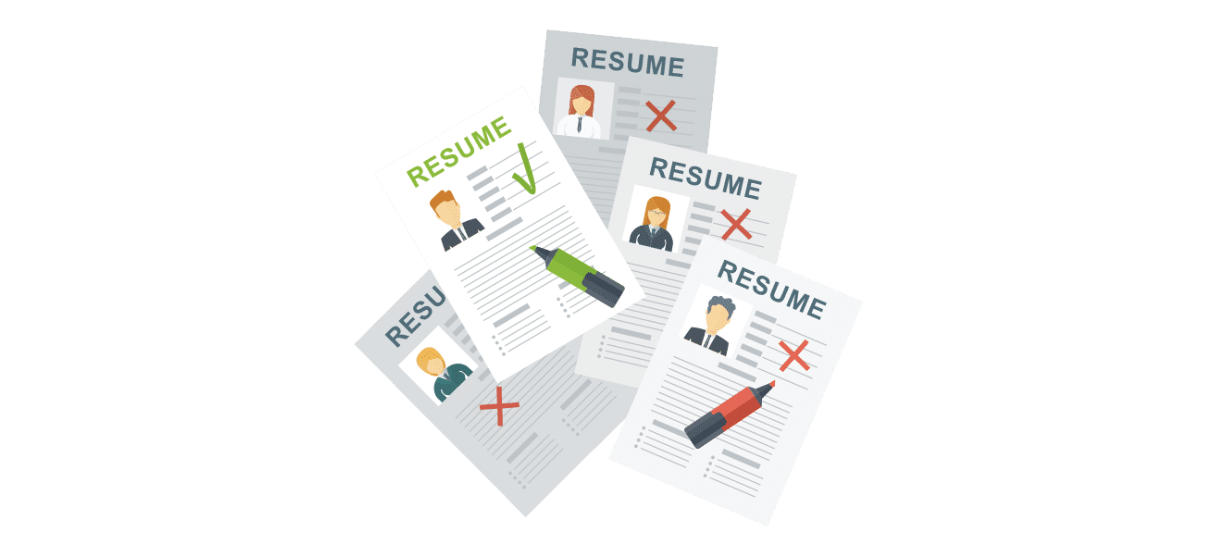
Bicara tentang CV naratif
Oleh: Dasapta Erwin Irawan dan Ilham Akhsanu Ridlo Mari bicara tentang CV naratif untuk mempertegas rekam jejak Anda. CV yang berkisah, bukan yang pamer angka. Jadi CV versi saya ini menitikberatkan pada cerita tentang konten yang saling terhubung. Antara satu kegiatan dengan kegiatan lainnya, atau satu dokumen dengan dokumen yang lain. Ini jelas berbeda dengan…
-
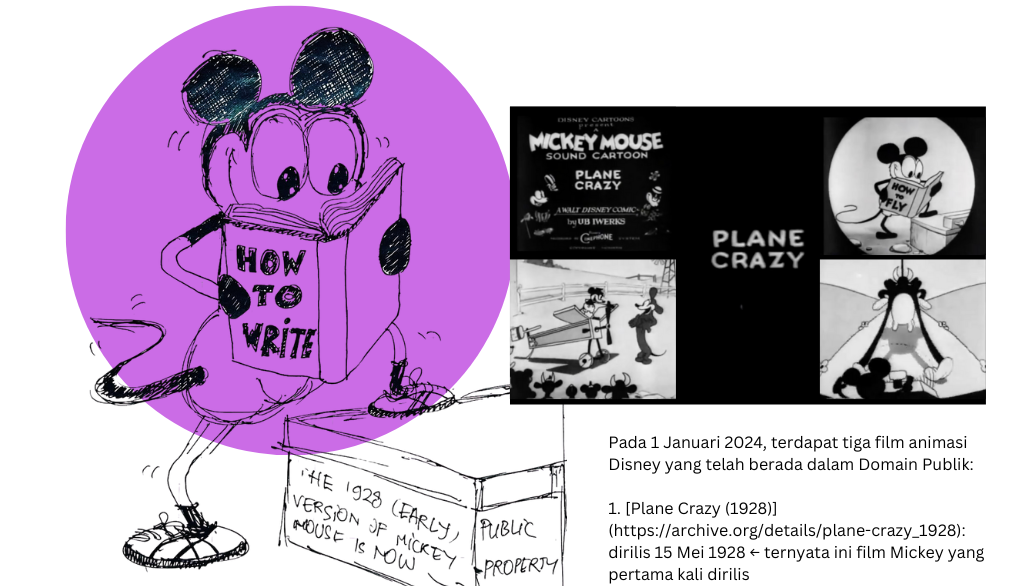
Gambar Mickey Mouse versi awal menjadi domain publik
Pada 1 Januari 2024, terdapat tiga film animasi Disney yang telah berada dalam Domain Publik. Untuk merayakannya, saya membuat gambar ini, yang merupakan modifikasi dari sebuah adegan yang ada dalam film Plane Crazy. Kalau gambar ini saya buat sebelum 1 Januari 2024, maka saya harus meminta izin dulu ke Disney.
-

Masih tentang Peta Prokrastinasi
Di hari pertama tahun 2024, saya menulis “Peta Prokrastinasi” di Substack. Isinya tentang berbagai “halangan” yang dapat membuat kita menunda proses menulis. Lalu ada kawan yang mengirimkan pesan ini. Pak, apakah tulisan berikutnya bisa sharing bagaimana bapak mengolah ide menjadi tulisan dengan sangat cepat? Bagaimana proses kreatif yang bapak lakukan? Saya seringkali ada ide utk…
-

Peta Prokrastinasi Kita
1. Gunung Scimago Biasanya belum mulai nulis, Anda mencari dulu jurnalnya. Padahal belum juga mulai nulis. Membuka-buka website Scimago ternyata juga bisa sampai lupa waktu, sambil mengkhayal makalah bisa terbit di Nature. Padahal kan makalahnya belum mulai ditulis.
-
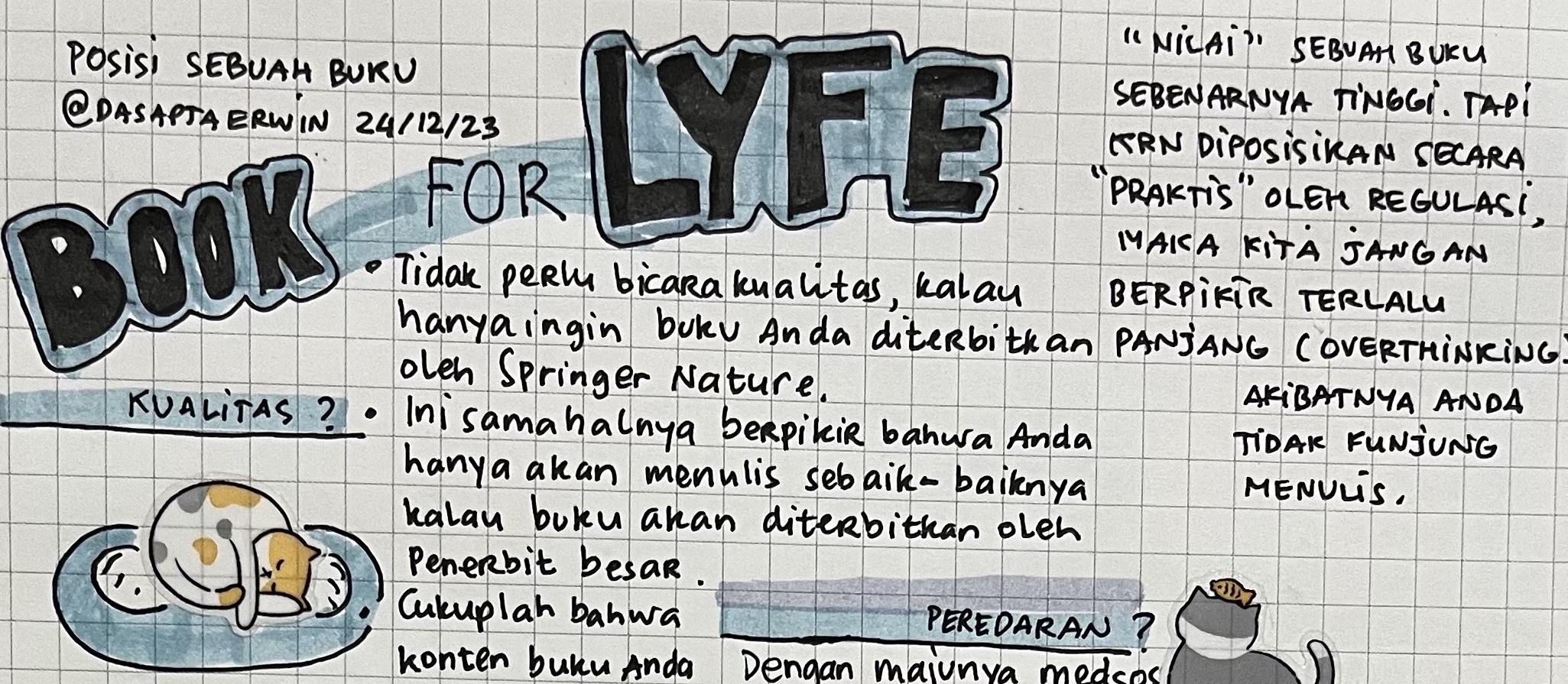
Book for Lyfe
Book for Life Artikel blog ini menyampaikan beberapa pertimbangan yang perlu Anda pikirkan saat akan menulis atau menerbitkan sebuah buku. Kualitas Peredaran buku (Harapan) Royalti Discoverability Kemudahan dan kepraktisan Penilaian atau pengakuan Penutup
-
Peta Prokrastinasi
Malam ini hujan deras di Bandung. Tugas pentingnya adalah nyari bakso di Go Food. Berakhir dengan membuat gambar ini. Sebuah contoh nyata prokrastinasi. Kalau di KBBI padanannya adalah penundaan/penangguhan. Selamat libur Natal 2024. Selamat beribadah. #Sketchnote
-
How do scientists monitor phreatic eruptions?
Scientists monitor phreatic eruptions using various techniques, including[1][2][3][4][5]: These monitoring techniques, when used in combination, can provide valuable data for understanding and forecasting phreatic eruptions, although the lack of clear precursors for some phreatic eruptions remains a challenge.
-

What are the challenges of monitoring phreatic eruptions?
Monitoring phreatic eruptions can be challenging due to the lack of clear precursors and the harsh conditions in which monitoring instruments must operate. Some of the challenges of monitoring phreatic eruptions include[1][2]: Despite the numerous challenges and obstacles that they face, scientists are persistently and diligently working on developing and refining advanced monitoring techniques in…
Got any book recommendations?